Protecting Yourself in a Jacksonville Lease Purchase Agreement
Jacksonville, Florida, with its sprawling beaches, vibrant downtown, and charming historic neighborhoods like San Marco, Riverside, and Avondale, offers an enticing real estate market. For many aspiring homeowners, a traditional mortgage can seem out of reach, making lease-purchase agreements an attractive alternative. These contracts, often called "rent-to-own," offer a path to homeownership by allowing you to rent a property with the option, or sometimes the obligation, to purchase it later. While lease-purchase agreements can be a fantastic tool, navigating them in a dynamic market like Jacksonville requires careful consideration and a thorough understanding of the legal landscape. This article will delve into the intricacies of protecting your interests in a Jacksonville lease-purchase agreement, ensuring your journey to homeownership is as smooth and secure as possible.
Understanding the Jacksonville Lease Purchase Landscape
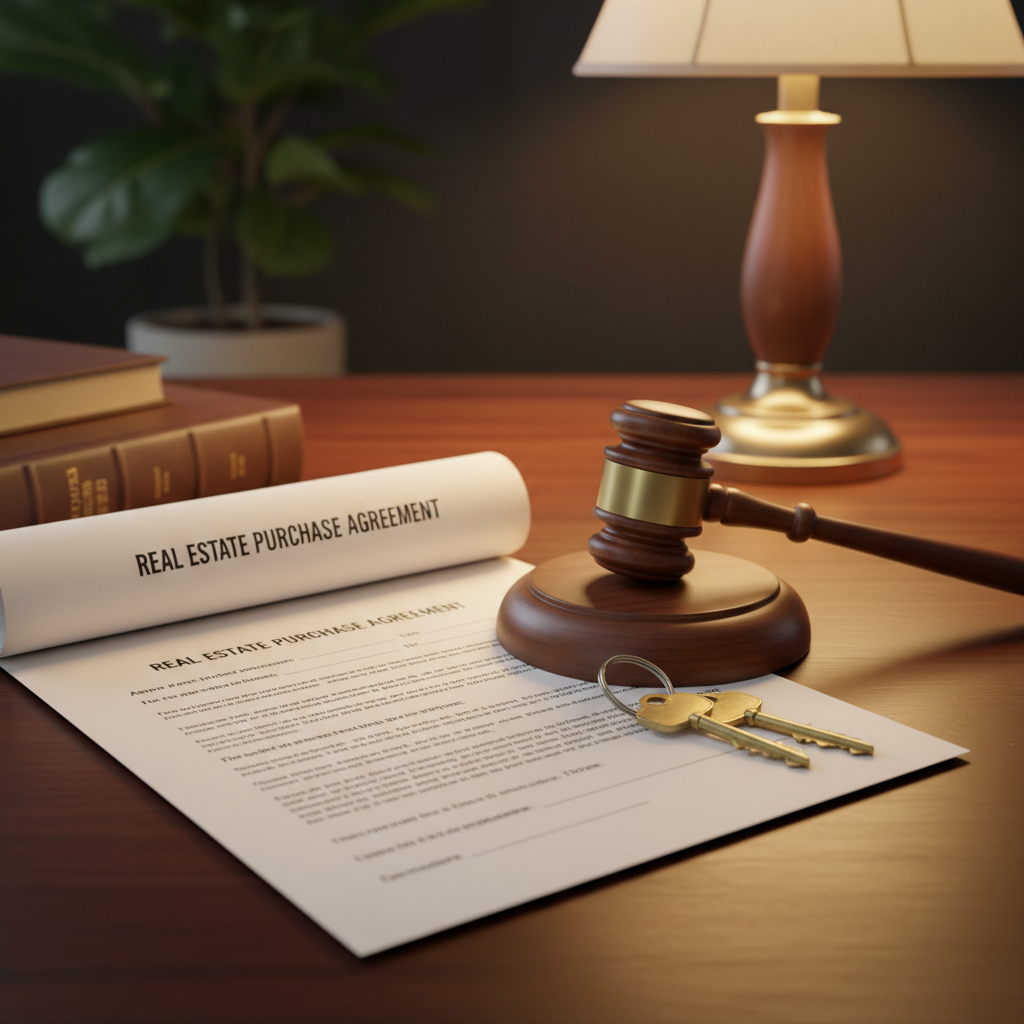
A lease-purchase agreement in Jacksonville, like elsewhere, is a two-part contract: a lease agreement and a purchase agreement. The lease outlines your responsibilities as a tenant, including rent payments, maintenance, and duration. The purchase agreement details the terms of the eventual sale, including the purchase price, option fee, and closing date. The key distinction from a standard lease is the right or obligation to buy.
Jacksonville's real estate market presents unique factors that can influence lease-purchase agreements. The city's diverse housing stock, ranging from historic bungalows in Avondale to modern condos downtown, means purchase prices and rental rates can vary significantly. Understanding these local nuances is crucial for negotiating a fair agreement.
Key Components of a Jacksonville Lease-Purchase Agreement
Before signing anything, you must thoroughly understand the following essential elements:
- Option Fee/Down Payment: This non-refundable fee grants you the exclusive right to purchase the property. In Jacksonville, this fee can range from 1% to 7% of the agreed-upon purchase price. It's often credited towards the purchase price if you exercise your option. Be clear on whether this fee is truly an "option fee" or a "non-refundable down payment" that you lose if you don't proceed with the purchase.
- Purchase Price: This is the agreed-upon price at which you can buy the property. It can be set at the time of the agreement or determined by an appraisal at a later date. In a growing market like Jacksonville, a fixed purchase price can be advantageous if property values appreciate.
- Lease Term: This specifies the duration of the rental period before you have the option to purchase. Typical terms range from one to three years.
- Rent Credits: Some agreements include a portion of your monthly rent payments being credited towards the purchase price. This is a significant advantage, as it allows you to build equity while renting. Clearly define the percentage of rent that will be credited.
- Maintenance Responsibilities: Unlike a standard rental, lease-purchase agreements often shift some maintenance responsibilities to the tenant, especially for minor repairs. Be sure to understand what you are responsible for and what the seller covers. This is particularly important for older homes in areas like Riverside, where maintenance can be more extensive.
- Default Clauses: What happens if you miss rent payments or fail to secure financing? These clauses outline the consequences, which often include forfeiture of your option fee and any rent credits.
- Closing Date and Financing Contingencies: The agreement should specify a target closing date and any contingencies related to obtaining financing. Given the current lending environment, having a clear understanding of financing requirements is paramount.
Due Diligence: Your First Line of Defense
Protecting yourself in a Jacksonville lease-purchase agreement begins with meticulous due diligence. Never rush into signing.
1. Property Inspection is Non-Negotiable
Before committing to a lease-purchase, hire a qualified, independent home inspector licensed in Florida to thoroughly examine the property. This is even more critical than with a standard rental, as you are potentially taking on ownership. The inspector should identify any structural issues, plumbing problems, electrical concerns, HVAC deficiencies, and potential pest infestations. Imagine discovering a faulty foundation in a charming San Marco home after you've invested thousands in an option fee – a nightmare scenario.
- Termite Inspections: Given Florida's climate, a separate termite inspection is highly recommended.
- Roof Inspection: The condition of the roof can be a significant expense. Get a professional assessment.
- HVAC System: Ensure the heating and cooling systems are in good working order, especially during Jacksonville's hot summers.
2. Research the Neighborhood and Property Value
Understand the local market dynamics. Is the property in a desirable area like Avondale known for its historic homes and walkable streets, or a rapidly developing zone? Research comparable sales (comps) in the immediate vicinity to ensure the agreed-upon purchase price is fair and reflects the property's true market value. Websites like Zillow, Realtor.com, and local real estate agent insights can be valuable resources.
3. Verify the Seller's Ownership and Financial Standing
Before entering into a lease-purchase, ensure the seller legally owns the property and has the right to sell it. A title search conducted by a reputable title company in Jacksonville will reveal any liens, encumbrances, or other issues that could complicate the sale. You don't want to invest time and money only to discover the seller doesn't have clear title.
Additionally, discreetly investigate the seller's financial stability. If they are facing foreclosure, it could jeopardize your agreement.
4. Understand Your Financial Readiness
Be realistic about your ability to secure a mortgage at the end of the lease term. Work with a mortgage lender early in the process to understand your borrowing capacity, credit score requirements, and any steps you need to take to improve your financial profile. A pre-qualification letter can strengthen your position when negotiating.
Legal Counsel: Your Indispensable Ally
This is arguably the most crucial step in protecting yourself. Never sign a lease-purchase agreement without having it reviewed by a qualified real estate attorney licensed in Florida. A Jacksonville attorney specializing in real estate will:
- Review the Entire Agreement: They will scrutinize every clause, ensuring it's fair, legally sound, and protects your interests. They can identify ambiguous language, unfavorable terms, or omissions that could lead to problems down the line.
- Negotiate Favorable Terms: Your attorney can negotiate on your behalf to secure better terms, such as a lower purchase price, higher rent credits, clearer maintenance responsibilities, or more favorable default clauses.
- Clarify Legal Obligations: They will explain your rights and obligations in plain language, ensuring you fully understand what you're committing to.
- Address Jacksonville-Specific Regulations: Florida has specific laws governing real estate transactions, and a local attorney will be familiar with these nuances. They can also advise on any local ordinances in Jacksonville that might impact the property or the agreement.
- Ensure Proper Documentation: They will ensure all necessary disclosures are made and all documents are properly executed and recorded, if applicable.
Common Pitfalls and How to Avoid Them
Even with due diligence, certain traps can ensnare an unsuspecting buyer.
1. The "Option to Buy" vs. "Obligation to Buy" Trap
Be absolutely clear whether your agreement grants you an option to purchase or an obligation to purchase. An "option" gives you the flexibility to walk away if circumstances change (though you'd likely lose your option fee). An "obligation" means you are legally bound to buy, even if you can't secure financing or property values decline. Most lease-purchase agreements are "options," but some sellers might try to structure them as an "obligation to purchase" (a lease-option vs. a lease-purchase). Your attorney will clarify this distinction.
2. Overvalued Purchase Price
A common tactic is for sellers to set an inflated purchase price, especially in a rising market. While a slight premium might be acceptable for the flexibility a lease-purchase offers, an excessively high price can leave you underwater if the market cools or you're unable to secure financing for the inflated amount. Always compare the agreed-upon price to recent comparable sales in areas like Riverside or Avondale.
3. Misleading Rent Credits
Some agreements offer rent credits that sound appealing but are structured to be minimal or difficult to obtain. Ensure the percentage of rent credited is clearly defined and that there are no hidden conditions that could prevent you from receiving these credits.
4. Undisclosed Property Defects
This is where a thorough home inspection is paramount. If the seller knows about major defects and doesn't disclose them, you could be left with significant repair costs. Florida law requires certain disclosures, but a professional inspection goes beyond these minimal requirements.
5. Seller Default
What if the seller defaults on their mortgage or decides they no longer want to sell? Your agreement should include provisions to protect you in such scenarios, potentially allowing you to recover your option fee and any rent credits. An attorney can help draft these protective clauses.
6. Failure to Secure Financing
This is a leading reason lease-purchase agreements fall apart. If you can't get a mortgage at the end of the lease term, you might lose your option fee and any accumulated rent credits. Work proactively with a lender and include contingencies in your agreement that allow you an out (with defined consequences) if financing falls through despite your best efforts.
Specific Considerations for Jacksonville Buyers
- Flood Zones: Parts of Jacksonville, particularly along the St. Johns River and coastal areas, are in designated flood zones. Ensure you understand the flood risk of the property and the associated insurance costs. This can significantly impact your monthly housing expenses.
- Homeowners Associations (HO
Keep Reading
Related Articles
Lease Purchase Laws in Florida: What You Need to Know
Welcome to The Lease Advantage, your trusted resource for navigating the intricacies of real estate. Today, we're diving deep into a topic that offers a unique path to homeownership: lease-purchase agreements in the Sunshine State. If you're consider...
Read MoreHomeowner Obligations in Florida Lease Purchase Contracts
Welcome to The Lease Advantage blog, your premier resource for understanding the nuances of lease-purchase agreements in the Sunshine State. For many aspiring homeowners in Jacksonville, Florida, a lease-purchase contract offers a unique and accessib...
Read MoreProperty Inspections in Jacksonville Lease Purchase Transactions
Navigating the path to homeownership can be complex, and a lease-purchase agreement offers a unique and often beneficial alternative to traditional buying. For those considering this option in the vibrant Jacksonville, Florida market, understanding t...
Read More